
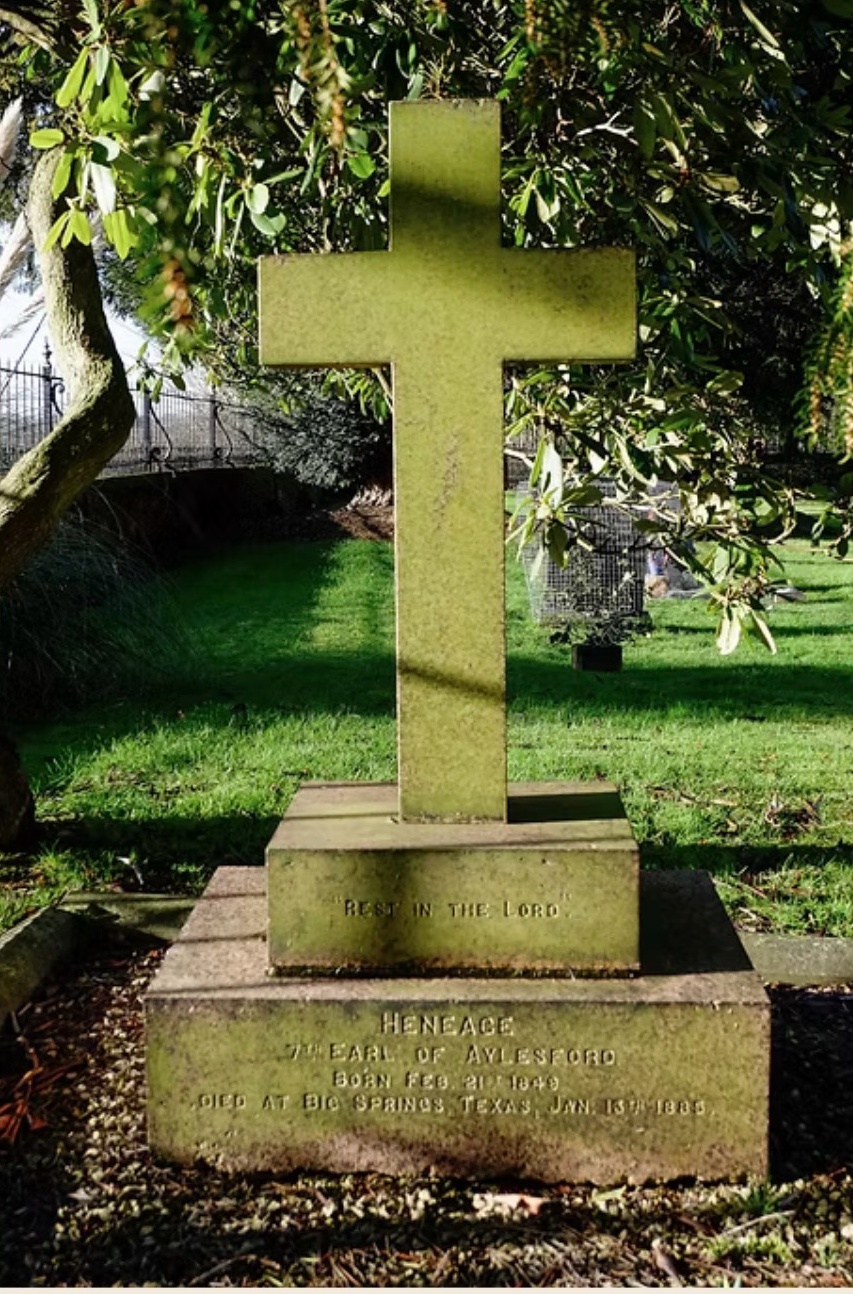
This is the final installment of The Earl, The Judge, The End, a three-part series exploring the life of Joseph Heneage Finch, the seventh Earl of Aylesford, and his connection to Big Spring, Texas. If you’re just joining the story, you can begin with Part One: The Earl or continue with Part Two: The Judge.
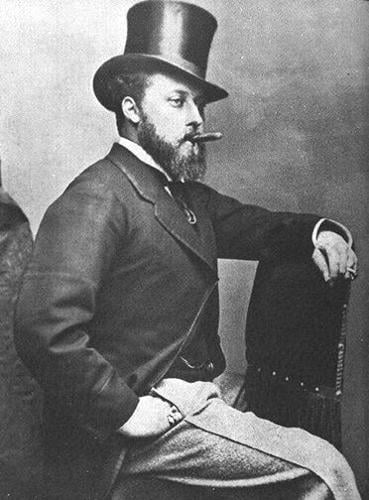
On January 14, 1885, Joseph Heneage Finch, the seventh Earl of Aylesford, died in Big Spring, Texas.
He was a long way from English aristocracy and the society scandals that had once made his name familiar on both sides of the Atlantic.
In this final installment, I want to look more closely at the man who spent his last years here, the circumstances surrounding his death, and what happened to the property he left behind.
And for that, we have an extraordinary witness.
A Doctor Remembers the Earl
On December 7, 1941, the Big Spring Daily Herald published an article by Joe Pickle titled “Mighty Appetite, Mighty Thirst: Such Marked Earl Of Aylesford, His Physician Recalls.”
The article featured the recollections of Dr. J. C. Utter, who had personally attended the Earl during his years in Big Spring.
Dr. Utter remembered the Earl as a hearty eater and an equally enthusiastic drinker. The doctor compared the Earl’s enormous appetite to that of Henry the VIIII’s. In fact, the physician recalled being summoned to attend him for indigestion on Utter’s first night in Big Spring.
But the doctor’s memories went beyond the Earl’s appetite.
He recalled that the Earl had spoken to him about his marriage. According to Utter, the Earl described his wife as a very beautiful woman and acknowledged they had initially been happy together.
The physician’s account attributed the eventual separation, at least in part, to the Earl’s extended hunting expeditions and his extraordinary drinking.
The article mentioned hunting journeys to Africa, India, and Australia, associated with the Prince of Wales.
Decades later, we have a physician recalling what the Earl himself reportedly said about his marriage and the part his own behavior may have played in its collapse.
Perhaps the most revealing observation was the doctor’s impression of the Earl’s character.
Utter remembered him as a perfect gentleman, yet someone who seemed unhappy and down on the world.
That description has stayed with me.
For all the Earl’s wealth, the man remembered by his physician seems to have carried a certain unhappiness with him.
The Ranch He Rarely Visited
Dr. Utter also recalled that the Earl spent nearly all his time at his hotel in Big Spring.
According to the physician, he knew of only one occasion when the Earl visited his ranch north of town.
That visit followed a fire that reportedly destroyed the ranch house and a valuable collection of firearms. The collection was said to have contained approximately 130 guns.
His reputation as a sporting English nobleman might lead us to imagine him constantly riding across the Texas countryside. Dr. Utter’s memories suggest that his daily life may have been centered much more closely around his hotel in Big Spring.
A Pleasant Way to Die
One of the most memorable passages in the newspaper article concerns the Earl’s relationship with his physician.
Dr. Utter recalled that the Earl was almost a model patient. He willingly took the medicines prescribed for him, but there was one subject on which he refused to follow the doctor’s advice.
Drinking.
The physician remembered warning the Earl that he must become more moderate or stop drinking altogether because it would eventually kill him.
The Earl reportedly smiled and replied:
“Ah, but it is such a pleasant way to die.”
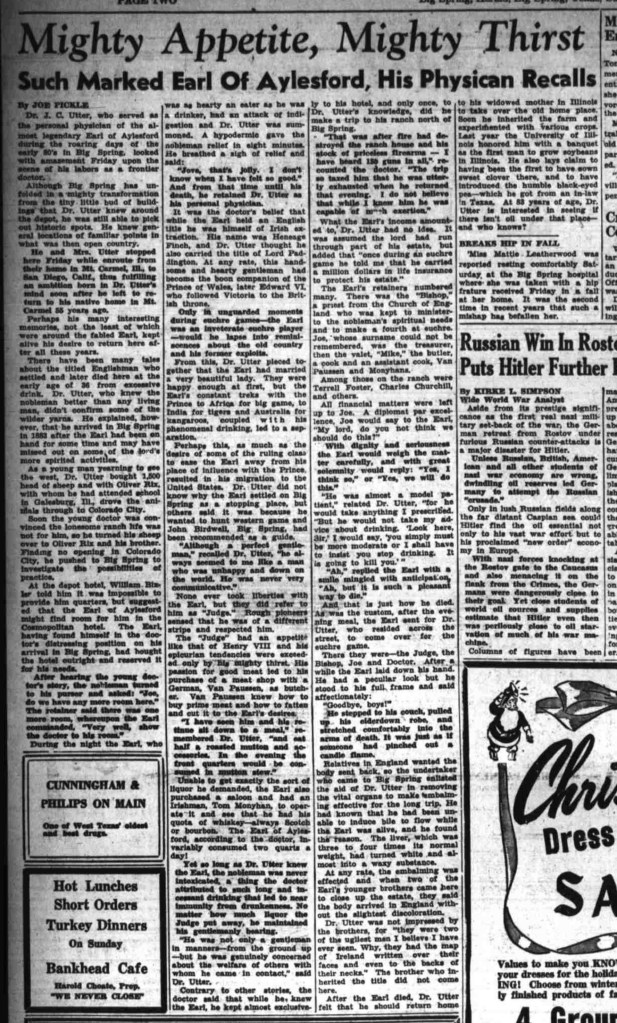
Joe Pickle, “Mighty Appetite, Mighty Thirst: Such Marked Earl Of Aylesford, His Physician Recalls,” Big Spring Daily Herald, December 7, 1941, page 12. Click the newspaper image to enlarge and read Dr. Utter’s complete recollections.
What Caused the Earl’s Death?
The circumstances of the Earl’s death have been described differently in historical accounts.
In his book A Glance into the Past, Arthur Sebright attributed his death to blood poisoning. Other reports attributed his death to dropsy, a nineteenth-century term for abnormal fluid accumulation in the body.
Dr. Utter’s recollections provide another perspective.
The physician recalled that during the Earl’s lifetime, he had been unable to induce a flow of bile. Following the Earl’s death, Utter participated in an examination of the body.
He reported that the Earl’s liver was three to four times its normal weight and had become pale and almost waxy in appearance.
These are striking observations, particularly given the doctor’s earlier warnings about drinking.
The Property He Left Behind
The Earl’s death did not bring an immediate end to his affairs in Howard County.
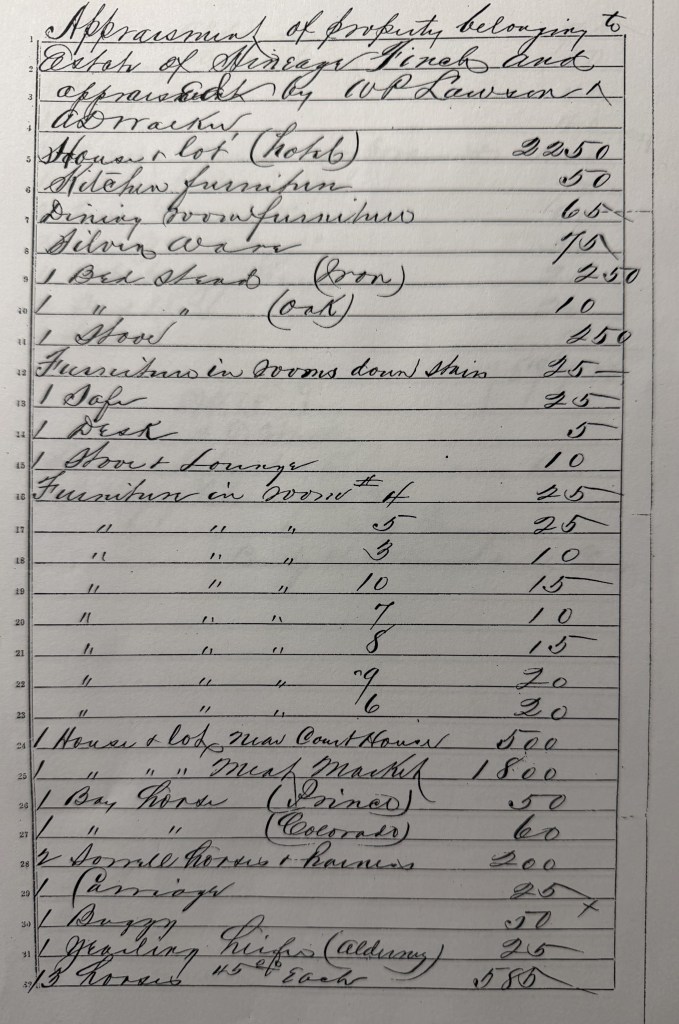
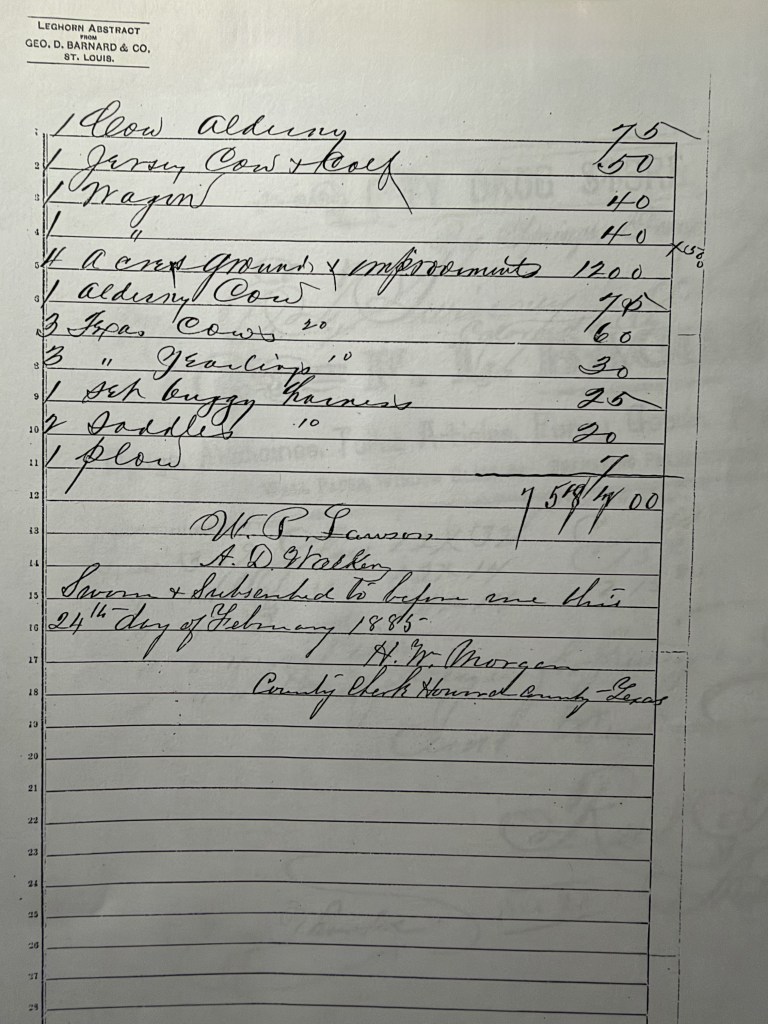
His probate records reveal land holdings, town property, livestock, debts, and claims against his estate.
Through historical probate documents and modern property research, I have been able to investigate locations associated with his holdings, including land north of Big Spring and property within the town itself.
Current Appraisal records indicate his name on situs 104, 409, 413, and 415 Main. Also, 315 acres near County Rd 31 and 315 acres near N County Rd 33.
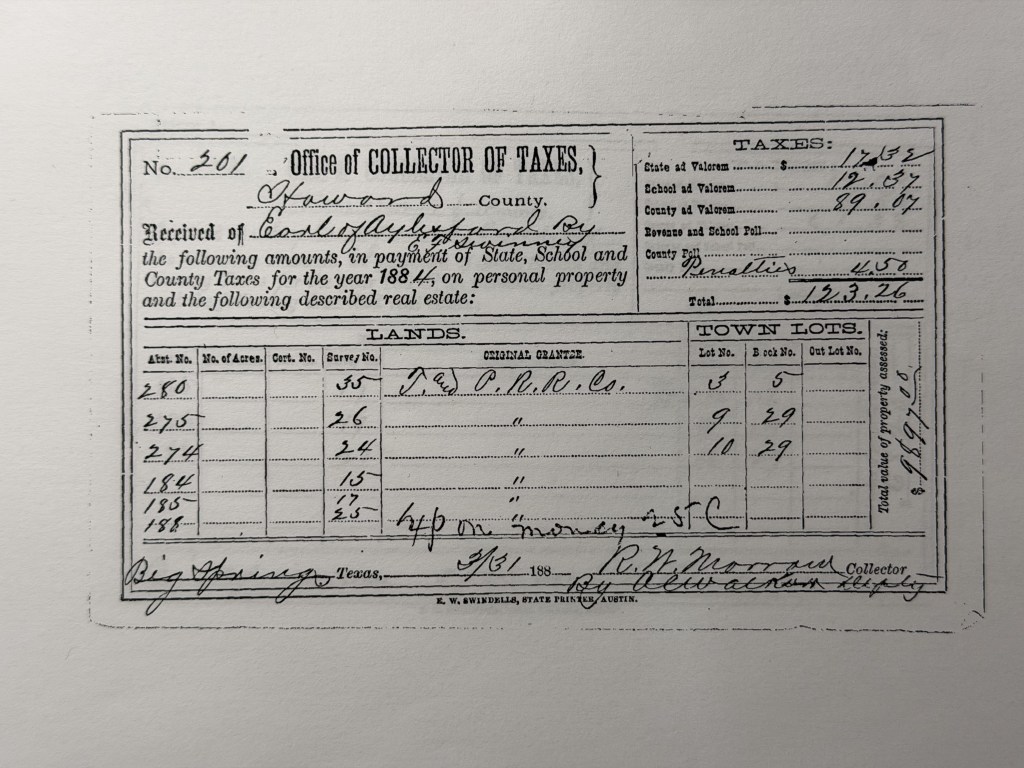
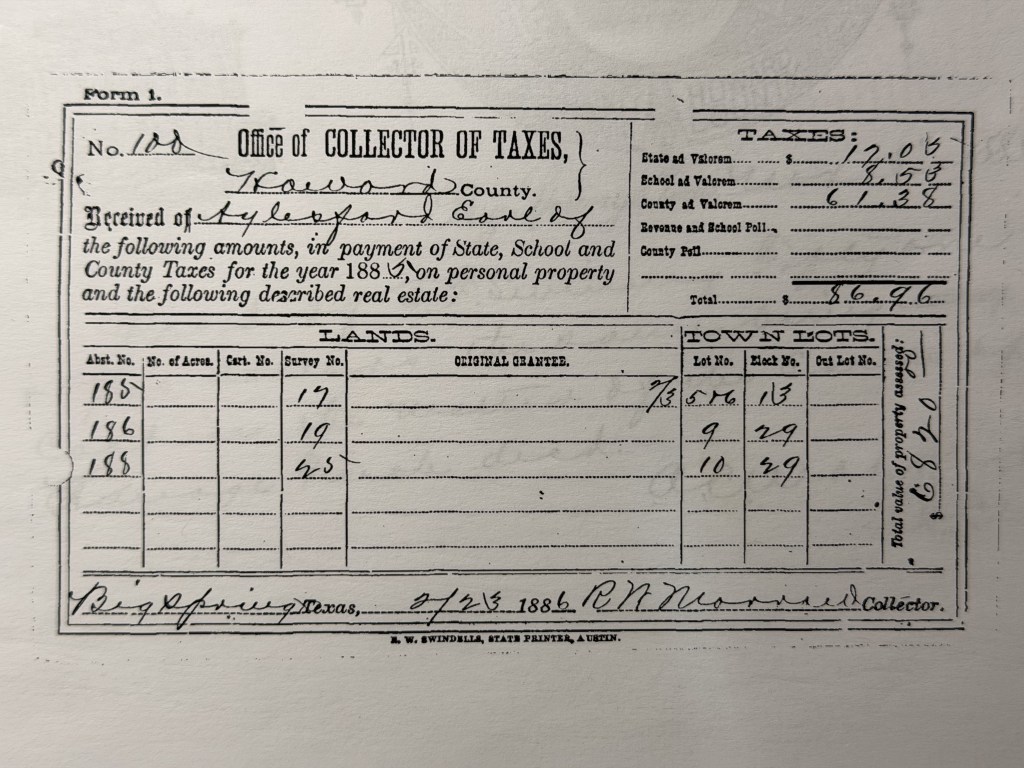

Historical probate records and modern appraisal information used to investigate property associated with the Earl of Aylesford’s estate.
The Debts of an English Earl: What He Left Behind
For a man associated with one of England’s distinguished aristocratic families, the Earl of Aylesford left behind a surprisingly complicated financial picture in Big Spring.
His probate records list a hotel and lot appraised at $2,250, a house and lot near the courthouse at $500, and meat market valued at $1,800, along with ranch land, town lots, and livestock.
Among those seeking payment were Colorado National Bank, local merchant Ike Gronsky, and T. G. Andrews.
In June 1885, Colorado National Bank petitioned the court for the sale of estate property to satisfy its claim. The probate proceedings continued as the administrator worked to settle the Earl’s financial affairs.
The Earl’s Final Journey
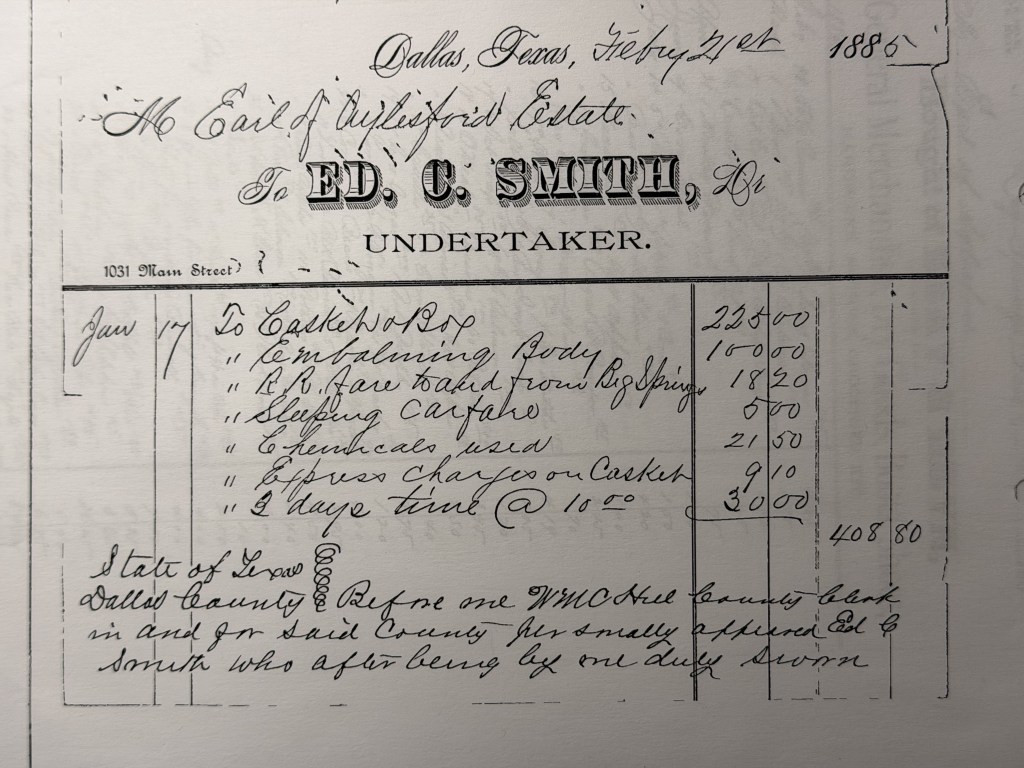
Although the Earl died in Big Spring, his remains were returned to England.
His death brought an end to a remarkable journey that had taken him from English aristocratic society to the plains of West Texas.
His grave can be seen in the Great Packington, Warwickshire, One Place Study’s article, “Heneage Finch, Sporting Joe and Cowboy Earl.”
What Remains of the Earl?
When I began researching the Earl of Aylesford, I knew the familiar stories: the English nobleman who came to Big Spring, the scandal surrounding his marriage, and the extravagant drinking that became part of his legend.
But the more I examined the records, the more complicated the man became.
We have newspaper reports of his travels, recollections from people who knew him, property records, probate proceedings, and conflicting accounts of his death.
Dr. Utter’s memories are particularly compelling because they allow us to glimpse a man who was more than a title or a colorful character in local folklore.
He was remembered as courteous, generous in appetite, unwilling to abandon his pleasures, and perhaps not entirely happy with the life he had made for himself.
But I do believe that examining the surviving evidence gives us a more complete understanding of the man who became known in Big Spring as the Judge.
A Special Thank You
I want to extend my sincere appreciation to the Howard County Clerk’s Office and the Howard County Appraisal District for their kindness, patience, and assistance throughout all my research.
They may think they’re simply doing their jobs, but it means the world to me that they take the time to listen as I excitedly explain all my quirky little connections between something I discovered in district court, a document I uncovered in the County Clerk’s Office, and how it ties together at the Appraisal District.
And through it all, they always listen with a smile.
Their willingness to help me follow these 140-year-old paper trails has been invaluable. I hope they know how much I appreciate not only their assistance, but also their encouragement and genuine kindness along the way.
Beth Henry, aka Beth of Death



Leave a Reply